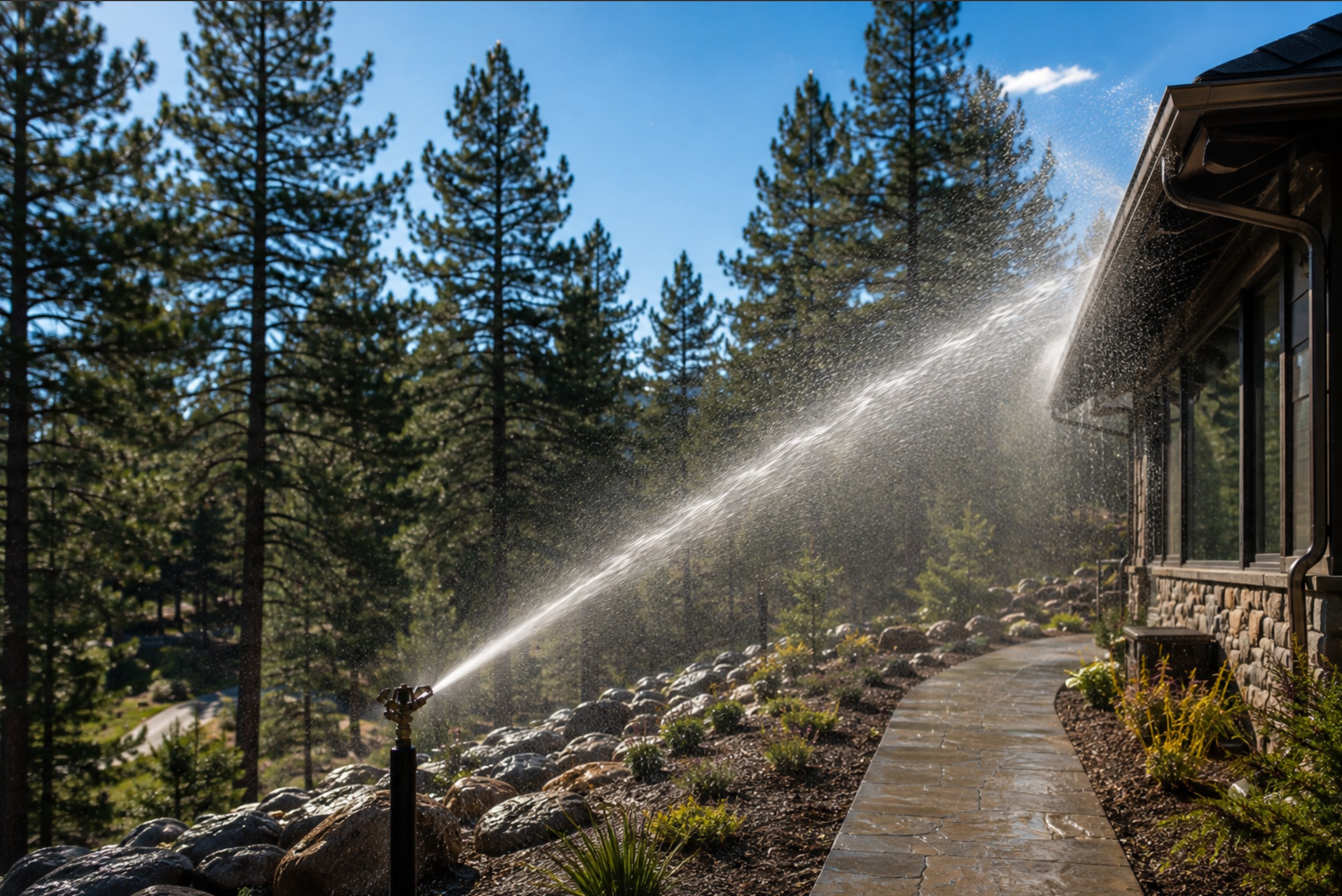
A self-contained system that watches the perimeter with thermal, smoke, and satellite sensing — and acts on its own the moment fire is real. No cell signal required. No one has to be home.
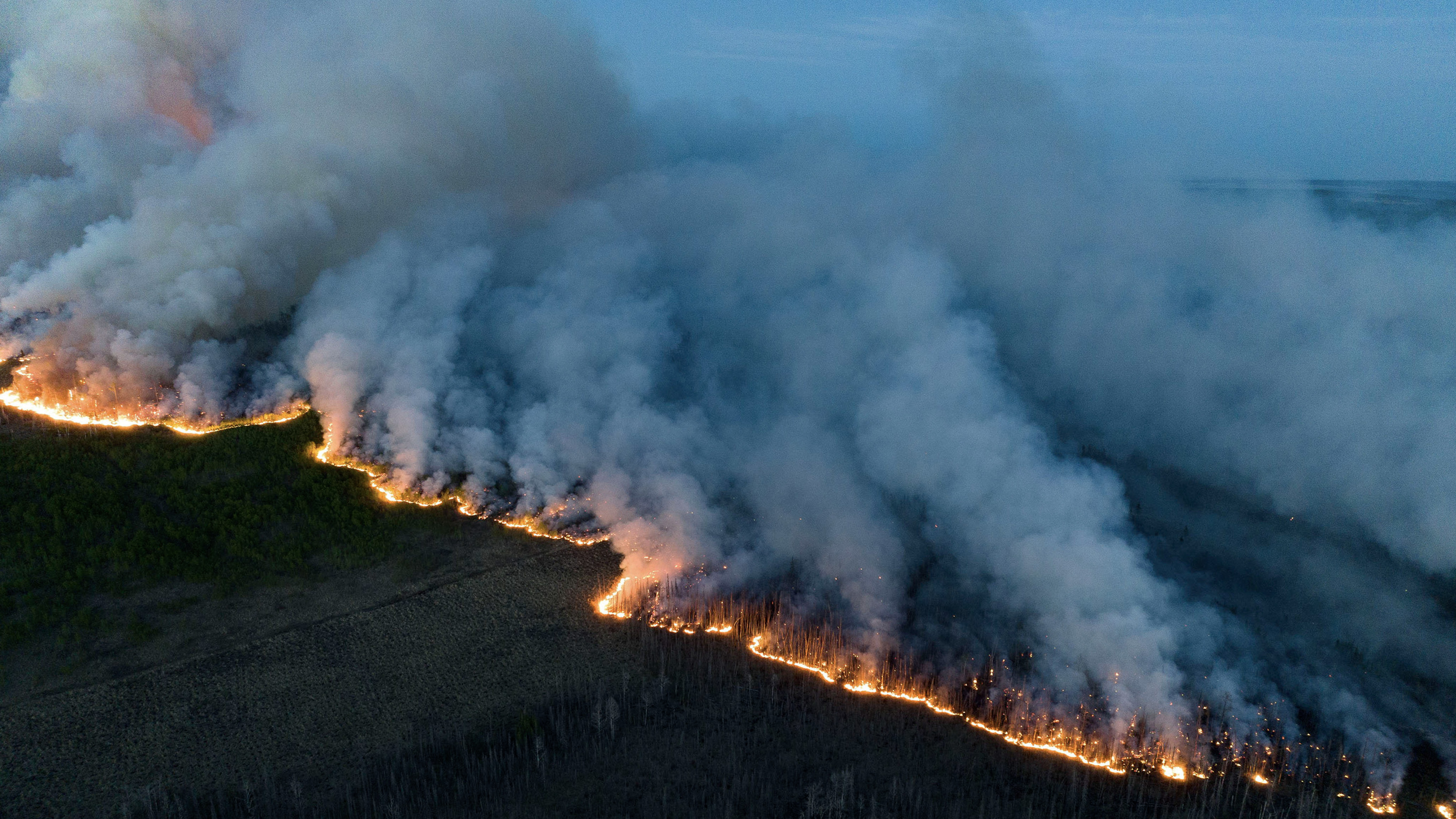
In rural fire country, ignition to structure loss can be minutes. Crews are often an hour out — if they come at all. Most defense systems need power, cell signal, and a person to pull the trigger. When wildfire takes all three, they fail exactly when you need them.
Multiple independent sensors cross-check each other, so a hot roof or a passing car is never mistaken for fire. Only real, corroborated threats trigger a response.
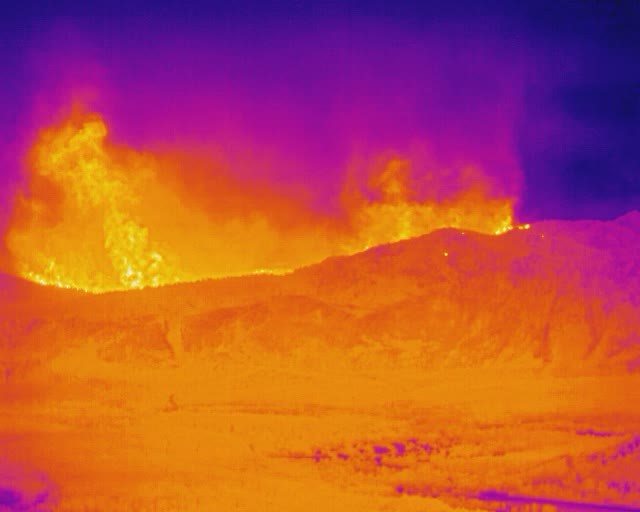
Long-range thermal imaging reads the property by heat, flagging a fast-rising, spreading hot spot — the signature of real fire, not a sun-baked surface.
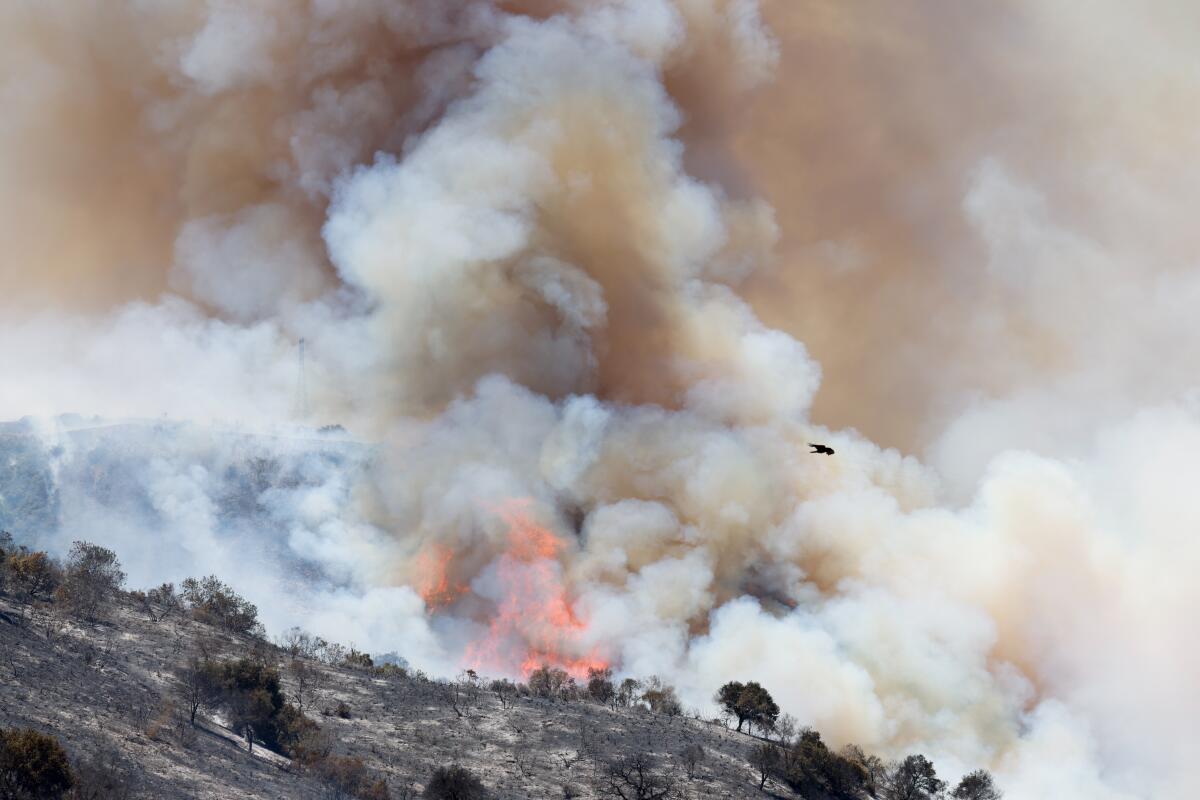
Particulate sensors detect the smoke plume a fire pushes ahead of itself, corroborating thermal and temperature signals before anything acts.
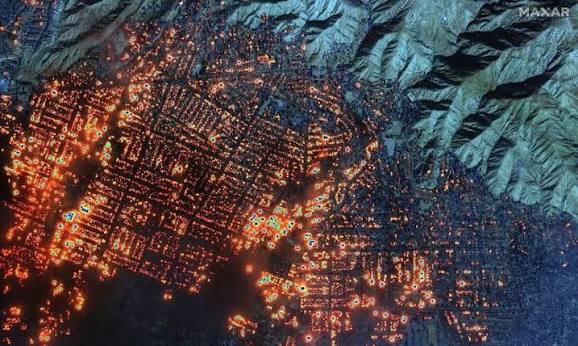
Live NASA wildfire data maps every active fire within 200 miles, so you see the regional threat approaching long before it reaches your line.
Every fire decision is made on-site, on the property — never in the cloud. When smoke degrades the satellite link, the system keeps working. It doesn't wait for a signal, and it doesn't wait for you.
Sensors read the perimeter continuously, scoring conditions second by second.
Multiple signals must agree before anything happens — no single false reading can fire.
The pump and perimeter sprinklers engage in seconds, wetting the structure and defensible space.
You get notified with live status and recorded footage of the event — wherever you are.
We're onboarding a first group of rural and off-grid properties this fire season. Add your place to the list and we'll reach out.